If you've lived on Florida's Space Coast for more than a summer, you already know the drill. A storm forms off the coast, the forecast cone shifts a few times, and suddenly everyone's at the hardware store fighting over the last case of water and the last generator on the shelf. Melbourne Beach sits right on the barrier island, which means when a hurricane or tropical storm rolls through, we're often among the first areas to lose power and one of the last to get it back.
That's the reason more homeowners in Melbourne Beach are choosing to install a whole home generator before the next storm, not during it. We see the same thing happening just up the road in Indian Harbour Beach and Satellite Beach, where homes face the exact same barrier island exposure.
What Makes Melbourne Beach Different When It Comes to Power Outages
Being on a barrier island has its perks (hello, ocean views), but it also means our power infrastructure runs through some exposed, storm-prone territory. Downed lines, flooding at substations, and wind damage can knock out power for days, sometimes longer if FPL crews have to work their way down the island after clearing the mainland first.
For year-round residents, that can mean spoiled food, no air conditioning in the Florida heat, and medical equipment that needs reliable power. For snowbirds and part-time residents, it can mean coming back to a house that sat without climate control or security systems for weeks at a time.
How a Whole Home Generator Works
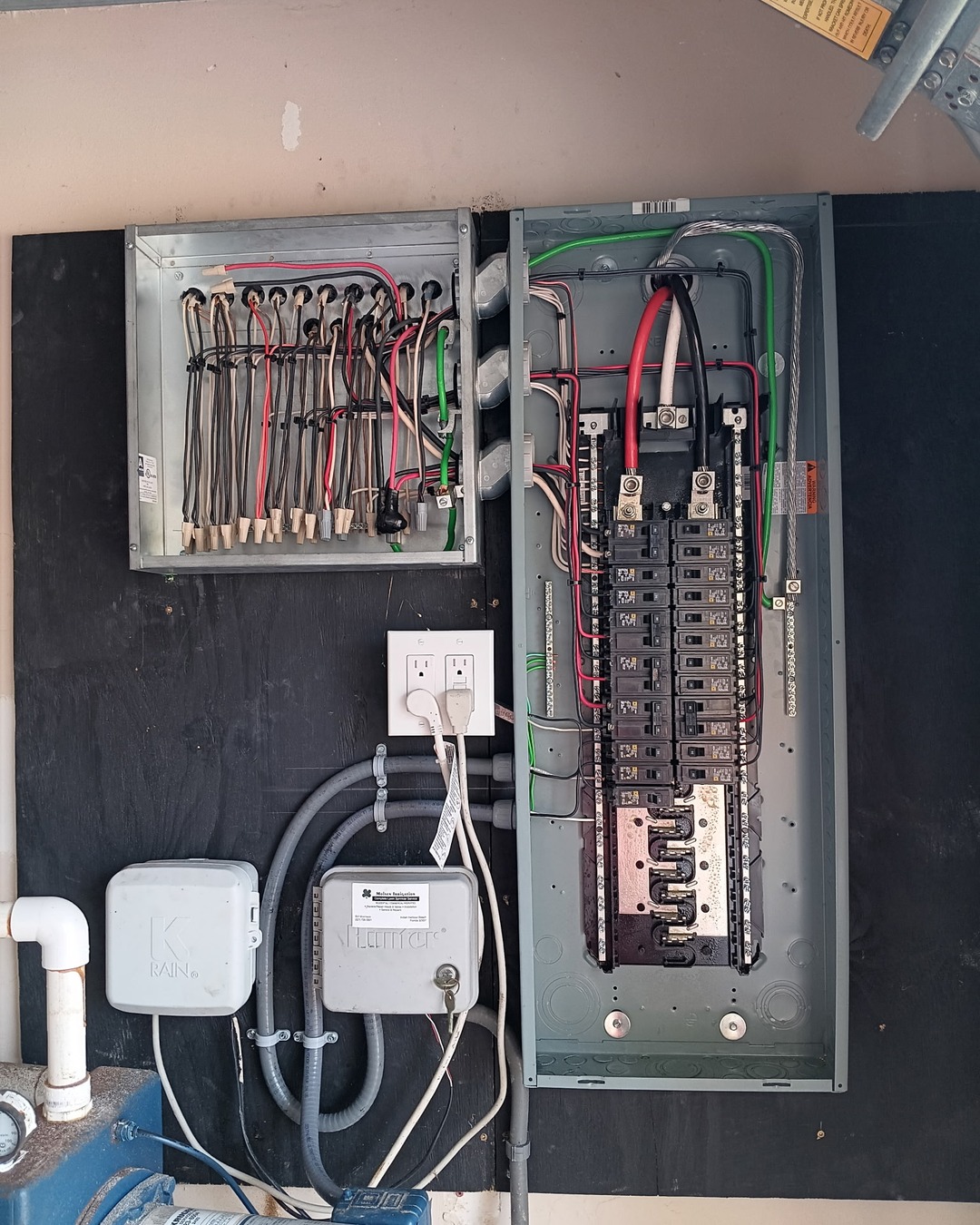
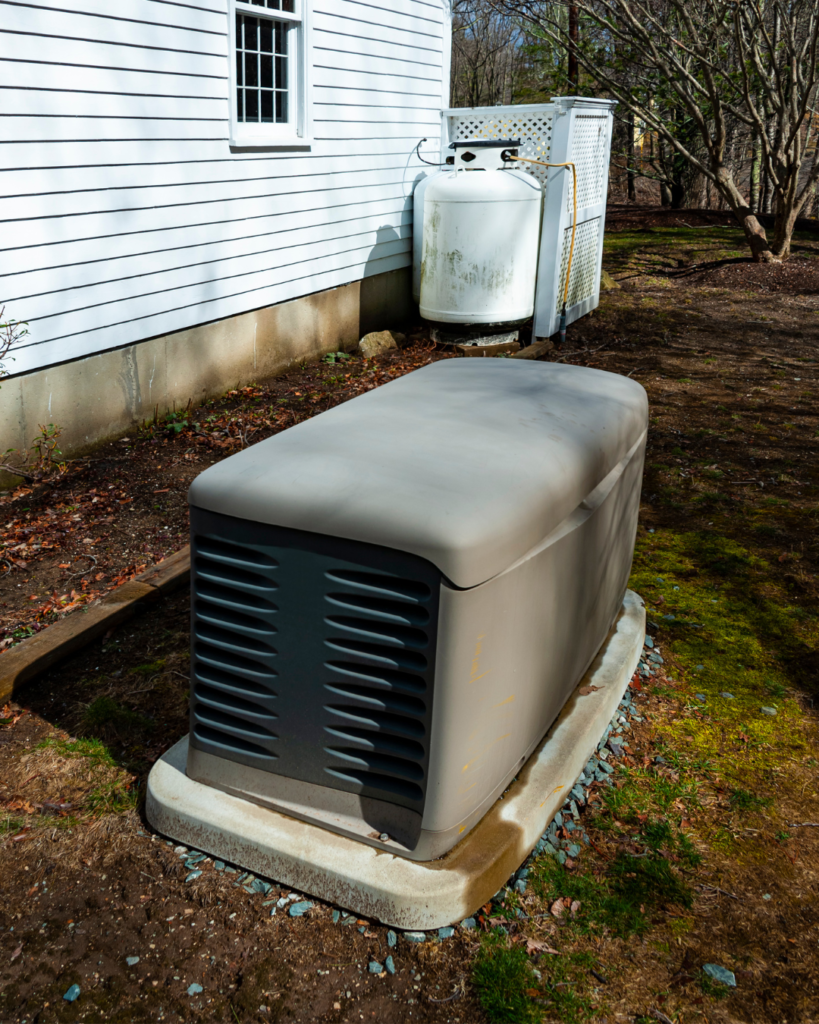
A whole home generator, sometimes called a standby generator, is permanently installed outside your home and wired directly into your electrical panel. When the power goes out, it detects the outage automatically and switches your home over to generator power, usually within seconds. No pulling a portable unit out of the garage, no running extension cords through a window, and no standing in the rain trying to get it started.
Most residential systems run on natural gas or propane, so you're not relying on a fuel supply that runs out (or becomes impossible to find) right when you need it most.
Whole Home vs. Portable Generators for Coastal Florida Homes
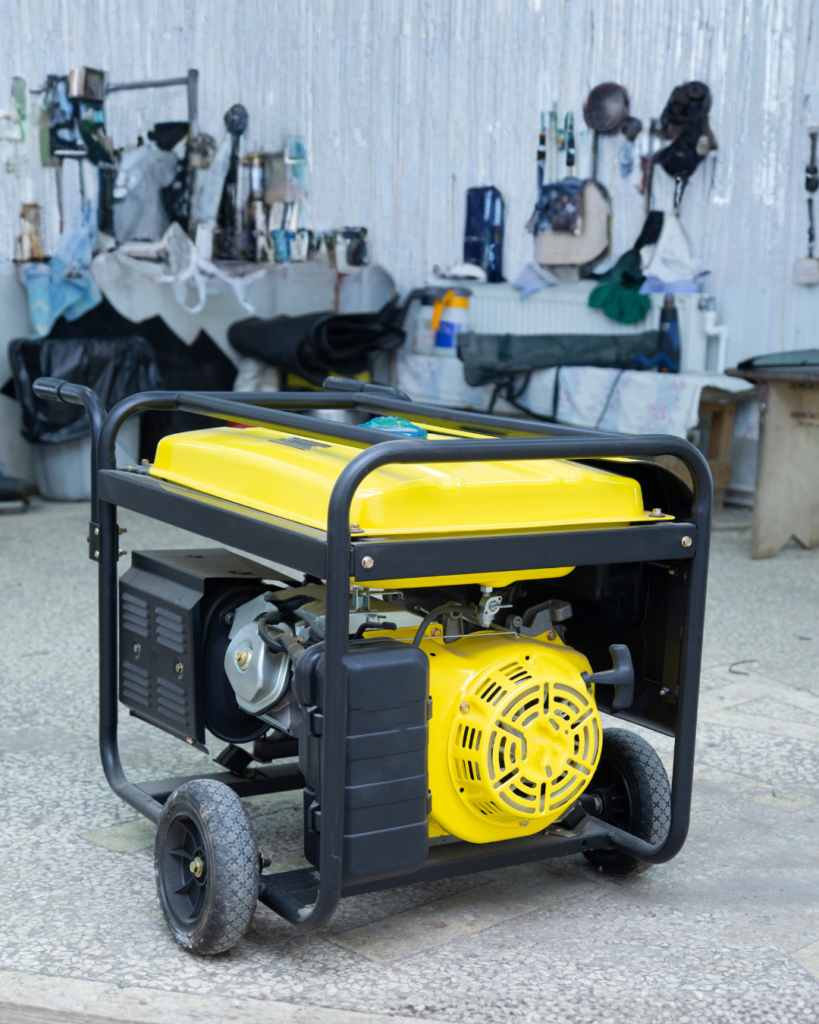
Portable generators have their place, and EJM Electric installs portable generator outlets for homeowners who want a lower-cost option or a backup for smaller needs. But when you compare the two side by side for a barrier island property, a few differences stand out:
- Automatic operation. A whole home system kicks on whether you're home or not. If you're evacuated or out of town, your home stays protected.
- Full home coverage. Portable units typically run a few essential circuits. Whole home systems can power your entire house, including HVAC, well pumps, and appliances.
- No fuel runs. You won't be driving around Brevard County looking for gas after a storm.
- Long-term reliability. Standby generators are built for regular use and typically include maintenance plans to keep them storm-ready year after year.
What to Look for Before You Buy
Not every generator is sized the same, and installing the wrong system is one of the more common mistakes homeowners make. Before you buy, it helps to know:
Your home's electrical load. A licensed electrician can calculate exactly how much power your home needs to run comfortably, including AC, refrigeration, and any medical or security equipment.
Your panel's condition. Older homes near the coast, especially those closer to the water in Melbourne Beach, Indian Harbour Beach, and Satellite Beach, sometimes have panels that need updating before a generator can be safely connected. Salt air is tough on electrical components over time.
Local permitting and setback requirements. Brevard County has specific rules for where a standby generator can be placed relative to property lines, windows, and structures. A local installer who knows Melbourne Beach's permitting process can save you weeks of back and forth.
Maintenance needs. A generator that hasn't been serviced won't help you when the power actually goes out. Regular maintenance checks keep the battery, fuel lines, and transfer switch in working order.
Getting Ready Before the Next Storm Watch
The best time to install a generator isn't the week a storm is forecast to make landfall. Installers get booked solid, permits take longer to process, and equipment can be back ordered. Homeowners who plan ahead, ideally in the spring before hurricane season ramps up, avoid that scramble entirely.
EJM Electric handles whole home generator installation, maintenance contracts, and repairs for homes throughout Melbourne Beach, Indian Harbour Beach, Satellite Beach, Melbourne, and the surrounding Brevard and Indian River County areas. If you're thinking about adding standby power before the next storm season, we're happy to walk through your home's setup and talk through what size system makes sense.