Melbourne Beach has a lot of homes that were built decades ago, back when the average household ran a few lights, a window AC unit, and maybe a television. Fast forward to today, and that same electrical panel is now expected to handle central air, multiple TVs, computers, EV chargers, and a kitchen full of appliances that pull a lot more power than anything from the 1970s or 80s.
Add in Florida's salt air and humidity, which are hard on electrical components over time, and it's no surprise a lot of homeowners on the barrier island eventually run into panel problems. We see it often in Melbourne Beach, and just as often in nearby Indian Harbour Beach and Satellite Beach, where homes face the same coastal exposure. Here's how to know if yours is one of them.
1. Your Breakers Trip More Than They Used To
An occasional tripped breaker isn't a big deal. But if you're resetting breakers every week, especially when running the microwave and AC at the same time, that's your panel telling you it's maxed out. Panels have a limit to how much load they can safely handle, and older systems weren't built for how much electricity today's homes actually use.
2. Lights Flicker or Dim When Appliances Kick On
If your lights dim every time the AC compressor starts or the dryer kicks on, your panel may not be distributing power evenly anymore. This is common in older panels where the internal components have started to wear down.
3. You Still Have a Fuse Box
Homes in Melbourne Beach built before the 1980s sometimes still have the original fuse box instead of a modern breaker panel. Fuse boxes aren't just outdated, they're a real safety concern and can make it hard to get homeowners insurance or refinance a mortgage. If you've got one, an upgrade should be near the top of your list.
4. Your Panel Feels Warm or Smells Burnt
This one isn't something to wait on. A warm panel cover, a burning smell near your electrical panel, or visible scorch marks mean there's overheating happening inside, and that's a fire risk. Turn off power to the panel if you can safely do so and call an electrician right away.
5. You're Adding a Generator, EV Charger, or Pool Equipment
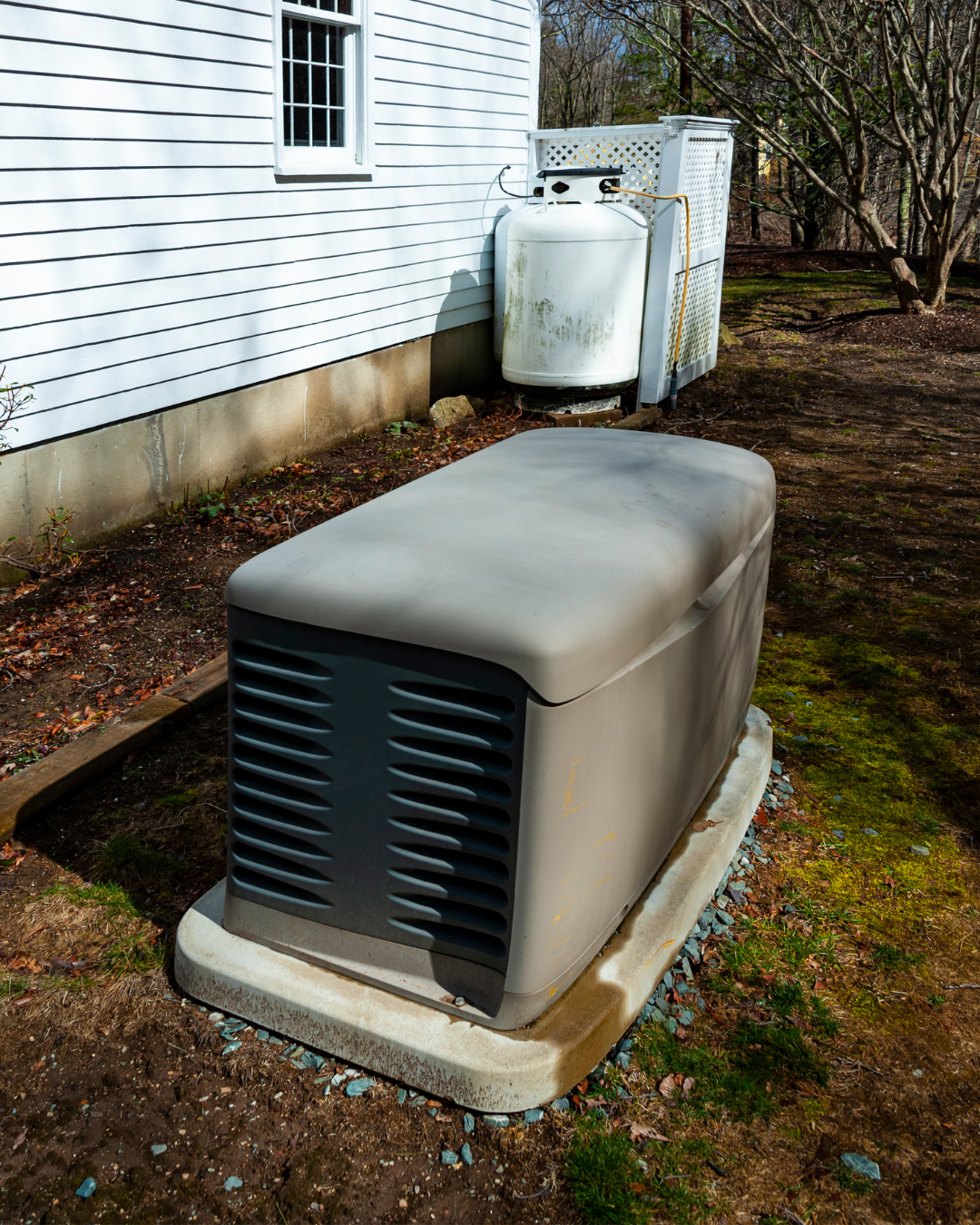
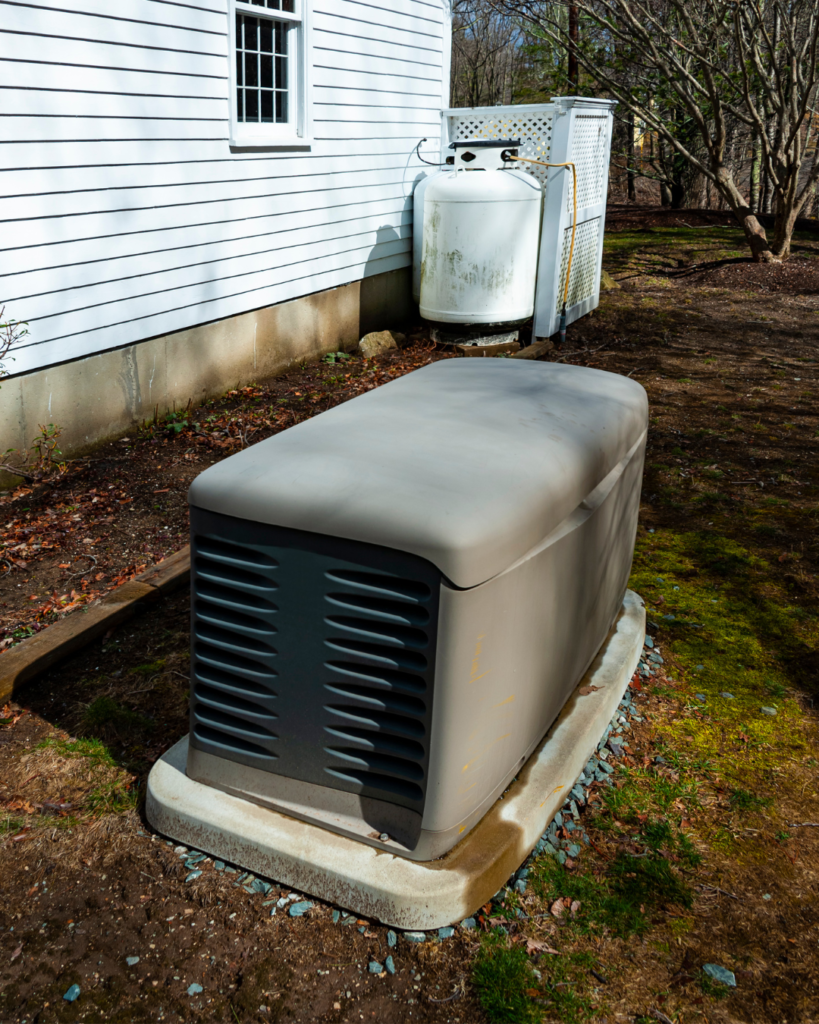
Bigger additions to your home, like a whole home generator, an EV charger, or a new pool system, all require your panel to have enough capacity to handle the additional load. If your panel is already older or near its limit, adding one of these systems is often what finally forces the upgrade conversation.
6. Corrosion or Rust Around the Panel
Coastal Florida homes deal with salt air exposure that inland properties don't. Over the years, that moisture can cause corrosion inside and around the panel box, which affects how safely and efficiently it runs. If your panel is visibly rusted or corroded, it's worth having a licensed electrician take a look, whether you're on the island in Melbourne Beach or a bit further inland toward Melbourne.
7. Your Panel Is a Recalled or Discontinued Brand
Certain panel brands from decades past, including some Federal Pacific and Zinsco panels, have known safety issues and are no longer considered up to code. If you're not sure what brand your panel is or whether it's been recalled, an electrician can identify it during an inspection.
What a Panel Upgrade Actually Involves
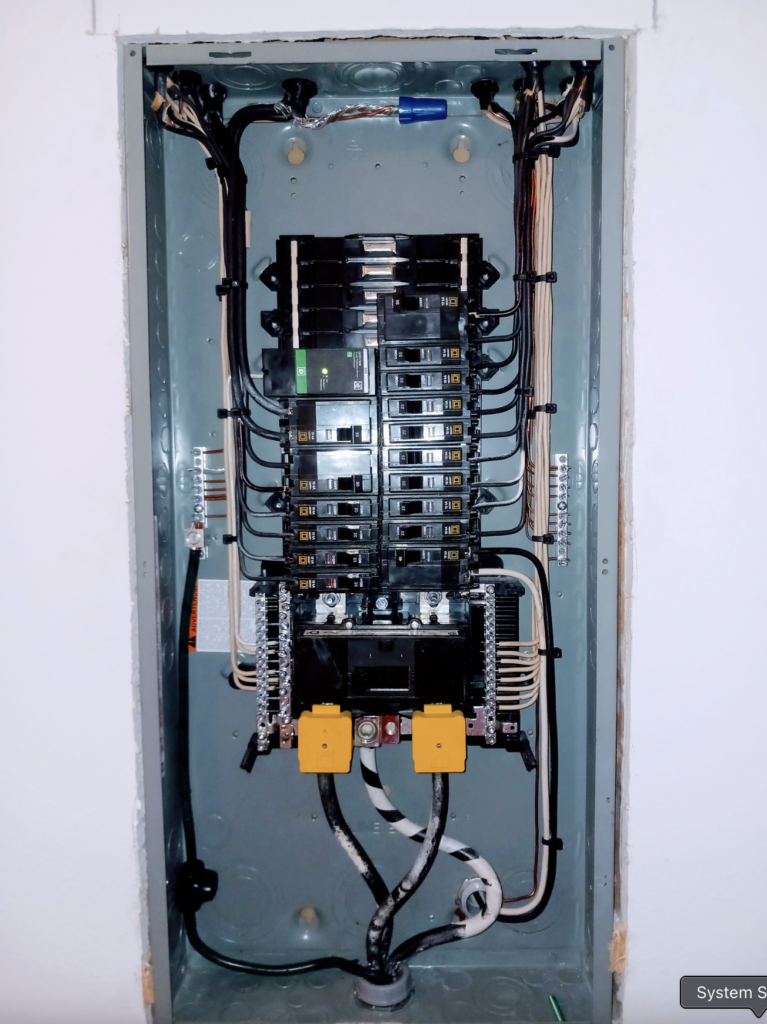
A panel upgrade typically means replacing your existing panel with a new one that has more capacity and modern safety features, like arc fault and ground fault protection. Depending on your home's age, this can also involve updating the wiring that feeds into the panel and pulling the necessary permits with Brevard County.
Most upgrades can be completed in a day, though older homes with more complex wiring may take a bit longer. A licensed electrician will also make sure the new panel is sized correctly for your home's actual electrical demand, not just a like for like swap.
When to Call an Electrician
If you're noticing any of the signs above, or you simply don't know how old your panel is, it's worth having it inspected. Panels don't usually fail all at once. They tend to show small warning signs first, and catching those early is a lot less disruptive (and less expensive) than dealing with an electrical failure later.
EJM Electric provides panel upgrades, inspections, and repairs for homes throughout Melbourne Beach, Indian Harbour Beach, Satellite Beach, Melbourne, and the surrounding Brevard County area. If any of this sounds familiar, we're happy to take a look and let you know exactly where things stand.